Last updated on
Renovating an older home is rarely straightforward. At first glance, it might seem like a matter of replacing windows, opening up a kitchen, or adding a rear extension. But beneath the surface lies something more complex and rewarding: a chance to respect the past while making space for the way we live now.
For many homeowners, the appeal of a period property lies in its character. Original floorboards, timber sash windows, decorative cornices, generous proportions, these details carry a certain charm that’s hard to replicate. But age brings its own set of challenges. Poor insulation, awkward layouts, structural wear, and decades of ad-hoc alterations can leave a home feeling tired, even if it looks beautiful from the outside.
That’s where good architectural thinking makes all the difference.
Looking Closely Before Making Changes
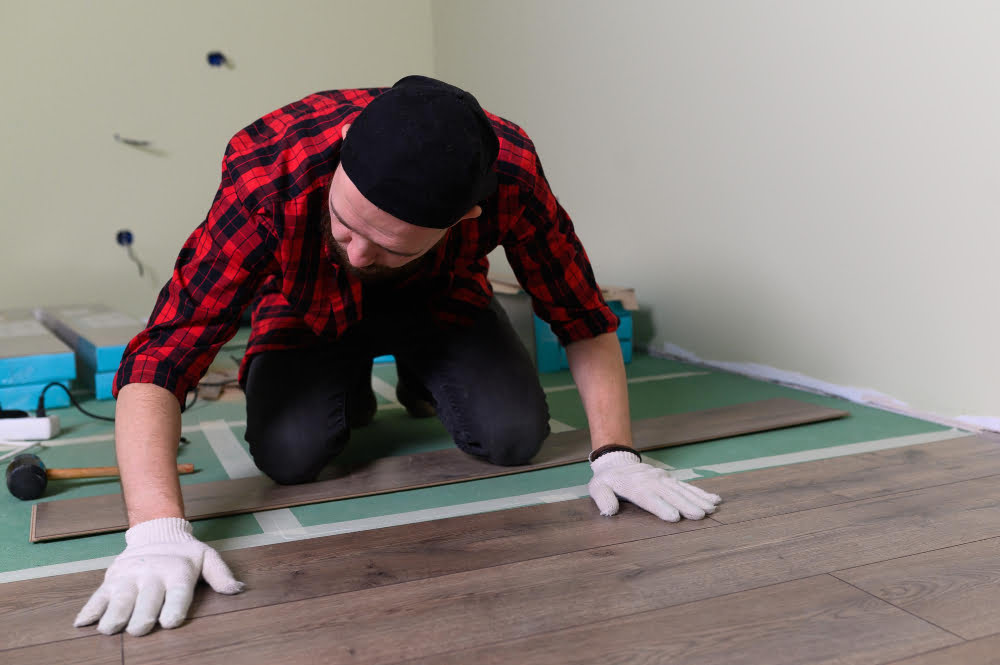
Every successful renovation begins with understanding what you already have. No two homes are the same, even if they share a street or style. Behind each front door is a different history, set of materials, and condition.
A careful inspection of the existing building fabric is essential. Things like damp, outdated wiring, or hidden structural changes can quietly undermine a project if not identified early. Taking the time to assess the condition of walls, floors, services, and roof structures not only informs better design decisions but avoids costly surprises later on.
Working with a team that understands this kind of detail is crucial. Renovation isn’t about undoing the past. It’s about revealing what’s worth keeping and understanding what needs to change.
Making Old and New Work Together
The best renovations don’t try to disguise new work as old. They allow each part to be honest. A modern kitchen, a glazed extension, or a reconfigured interior can all sit comfortably within a traditional shell if designed with care and proportion.
One of the biggest priorities for many clients is improving how the home works day to day. That might mean more natural light, better flow between rooms, or improved insulation and heating systems. These updates need to work in harmony with existing materials and structure. Achieving that balance takes time, planning, and attention to detail.
If the home is listed or in a conservation area, the process becomes more involved. Local planning policies may restrict certain changes, and heritage officers will often want evidence that any proposal is thoughtful and well-justified. It helps enormously to have an architect who can navigate this landscape confidently.
Adding Value Without Losing Soul
A well-executed renovation can significantly increase the value of a home, but value isn’t only about resale. It’s also about the daily experience of living in a space that feels well-proportioned, well-lit, and well made.
Changes that are too trend-driven or rushed can leave a home feeling disconnected from its original character. On the other hand, a calm, consistent approach, one that respects the home’s structure and setting, tends to feel more resolved over time.
This is where the input of a thoughtful architecture practice becomes especially valuable. It’s not just about drawing up plans. It’s about shaping the project from the very beginning, working through each decision with clarity and purpose, and delivering a result that feels natural, functional, and enduring.
A Collaborative Process
Renovating a home is a personal journey. There are practical decisions to make, but also emotional ones. What to keep, what to change, where to invest, these are questions that deserve time and discussion.
The most successful projects are built on strong collaboration between client and architect. When there’s mutual respect for the building and a shared vision for what it could become, the process tends to run more smoothly and the result speaks for itself.
A good renovation doesn’t just fix problems. It breathes life into a home, giving it clarity and continuity. It honours what was there before, while making space for what comes next.
Read More Like This
 What Separates a Top House Painter in Southern California From the Rest
 How to Choose the Right Commercial and Residential Garage Doors in Florida
 Beyond the Kitchen: How Workwear Jackets Inspire Creative Expression
 The Rise of At-Home Hosting and Why It’s Shaping Modern Social Culture
 Creating an Allergy-Friendly Home for Pet Owners
Recap: